Sororitu Agricultural Information Site

শতাব্দী ধরে স্বাস্থ্য এবং সুস্থতার প্রচারে ঔষধি উদ্ভিদ ব্যবহার করা হয়েছে। প্রাকৃতিক প্রতিকারগুলিতে ক্রমবর্ধমান আগ্রহের সাথে, অনেকেই এই উপকারী ভেষজগুলির ঘরে চাষের দিকে ঝুঁকছেন। এই চূড়ান্ত নির্দেশিকায়, আমরা সফল ঔষধি উদ্ভিদের বীজ বপনের সেরা অনুশীলনগুলি অন্বেষণ করব, একটি সমৃদ্ধ এবং টেকসই ভেষজ উদ্যান নিশ্চিত করব। আপনি একজন অভিজ্ঞ মালী হোন বা একজন শিক্ষানবিশ, এই টিপসগুলি আপনাকে কার্যকরভাবে ঔষধি উদ্ভিদ চাষ করতে সহায়তা করবে।
কেন ঔষধি উদ্ভিদ বাড়ানো?
ঔষধি উদ্ভিদ বাড়ানোর অনেক সুবিধা রয়েছে, তাজা ভেষজের সরবরাহ নিশ্চিত করা থেকে শুরু করে আপনার উদ্যানের জীববৈচিত্র্য বৃদ্ধির জন্য। এই উদ্ভিদগুলি সাধারণ রোগের জন্য প্রাকৃতিক প্রতিকার প্রদান করতে পারে, চাপ কমাতে পারে এবং সামগ্রিক মঙ্গল বৃদ্ধি করতে পারে। এছাড়াও, আপনার নিজের ঔষধি ভেষজগুলি চাষ করলে আপনি জৈব, কীটনাশকমুক্ত উদ্ভিদের অ্যাক্সেস পান তা নিশ্চিত করে।
সঠিক ঔষধি উদ্ভিদ নির্বাচন
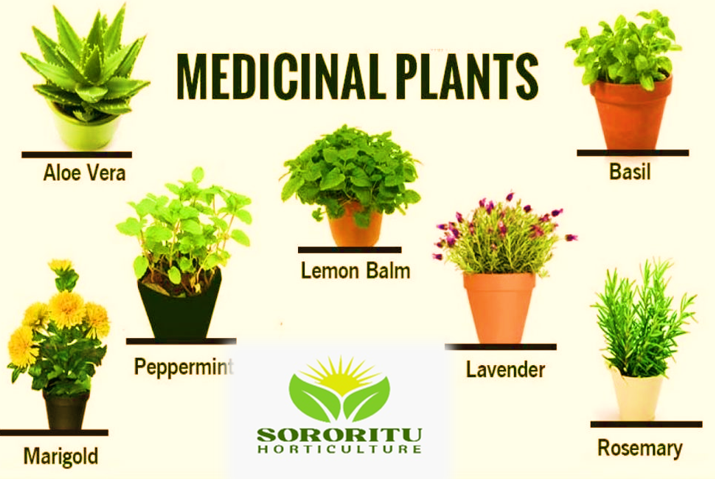
শুরু করার আগে, আপনার উদ্যানের জন্য সঠিক ঔষধি উদ্ভিদগুলি নির্বাচন করা অপরিহার্য। কিছু জনপ্রিয় পছন্দ অন্তর্ভুক্ত:
- অ্যালো ভেরা: এর প্রশান্তিদায়ক জেলের জন্য পরিচিত, যা পোড়া এবং ত্বকের জ্বালা জন্য চমৎকার।
- ল্যাভেন্ডার: এর শান্তিদায়ক বৈশিষ্ট্য এবং মনোরম সুবাসের জন্য বিখ্যাত।
- ইচিনেসিয়া: সাধারণত প্রতিরোধ ক্ষমতা বাড়াতে এবং ঠান্ডার সাথে লড়াই করতে ব্যবহৃত হয়।
- ক্যামোমাইল: প্রায়ই ঘুম এবং হজমে সহায়তা করার জন্য চা তৈরি করা হয়।
- পেপারমিন্ট: হজম সংক্রান্ত সমস্যা এবং শ্বাসযন্ত্রের উপশমের জন্য দুর্দান্ত।
প্রতিটি উদ্ভিদের বৃদ্ধি শর্তগুলি গবেষণা করুন যাতে সেগুলি আপনার জলবায়ু এবং মাটির ধরণের জন্য উপযুক্ত হয়।
মাটি প্রস্তুত করা
যেকোন সফল বাগানের ভিত্তি হল মাটি। ঔষধি উদ্ভিদগুলি ভাল নিষ্কাশন, পুষ্টিকর সমৃদ্ধ মাটিতে বৃদ্ধি পায়। আপনার মাটি প্রস্তুত করার জন্য কিছু টিপস এখানে দেওয়া হল:
- আপনার মাটি পরীক্ষা করুন: আপনার মাটির পিএইচ স্তর এবং পুষ্টির বিষয়বস্তু নির্ধারণ করুন। বেশিরভাগ ঔষধি উদ্ভিদ সামান্য অ্যাসিডিক থেকে নিরপেক্ষ মাটি পছন্দ করে (পিএইচ 6.0-7.0)।
- মাটি সংশোধন করুন: মাটির গঠন এবং উর্বরতা উন্নত করতে জৈব কম্পোস্ট বা ভালোভাবে পচা সার যোগ করুন।
- ভাল নিষ্কাশন নিশ্চিত করুন: যদি আপনার মাটি ভারী এবং মাটির মতো হয় তবে নিষ্কাশন উন্নত করতে বালি বা পারলাইট মেশান।
বীজ বপনের কৌশল
সফল ঔষধি উদ্ভিদ চাষের জন্য যথাযথ বীজ বপন কৌশলগুলি গুরুত্বপূর্ণ। সর্বোত্তম ফলাফলের জন্য এই পদক্ষেপগুলি অনুসরণ করুন:
- বীজ ঘরে শুরু করুন: অনেক ঔষধি উদ্ভিদ বিশেষত ঠান্ডা আবহাওয়ায় ঘরে একটি প্রাথমিক শুরু থেকে উপকৃত হয়। বীজ শুরু করার মিশ্রণে পূর্ণ বীজ ট্রে বা পাত্র ব্যবহার করুন।
- আলোর প্রয়োজনীয়তা: বীজগুলিকে একটি উষ্ণ, রৌদ্রোজ্জ্বল স্থানে রাখুন বা দিনে 12-16 ঘন্টা আলো দেওয়ার জন্য গ্রো লাইট ব্যবহার করুন।
- জল দেওয়া: মাটি ক্রমাগত আর্দ্র রাখুন কিন্তু জলাবদ্ধ নয়। মাটি আলতো করে মিস্ট করতে একটি স্প্রে বোতল ব্যবহার করুন।
- প্রত্যারোপণ: চারা কয়েকটি সত্যিকারের পাতা তৈরি করার পরে, শেষ তুষারপাতের তারিখের পরে সেগুলি বাইরে রোপণ করা যেতে পারে।
আপনার ঔষধি উদ্ভিদের যত্ন কিভাবে নিবেন
একবার আপনার চারাগুলি বাগানে প্রতিষ্ঠিত হয়ে গেলে, সুস্থ বৃদ্ধির জন্য ক্রমাগত যত্ন নেওয়া অপরিহার্য। এখানে কিছু টিপস দেওয়া হলোঃ
- জল দেওয়াঃ শক্ত শিকড় ব্যবস্থাকে উৎসাহিত করতে গভীরভাবে কিন্তু কদাচিৎ জল দেওয়া হয়। আবহাওয়ার অবস্থার উপর ভিত্তি করে ফ্রিকোয়েন্সি সামঞ্জস্য করুন।
- মালচিংঃ আর্দ্রতা ধরে রাখতে এবং আগাছা দমন করতে আপনার গাছের চারপাশে জৈব মাল্চের একটি স্তর প্রয়োগ করুন।
- ছাঁটাইঃ ঝোপঝাড়ের বৃদ্ধি বাড়াতে এবং রোগ প্রতিরোধ করতে নিয়মিতভাবে আপনার গাছগুলি ছাঁটাই করুন।
- সার প্রয়োগঃ প্রয়োজনীয় পুষ্টি সরবরাহের জন্য জৈব সার যেমন কম্পোস্ট চা বা মাছের ইমালশন ব্যবহার করুন।
কীটপতঙ্গ ও রোগ নিয়ন্ত্রণ
একটি সুস্থ বাগানের জন্য আপনার ঔষধি গাছগুলিকে কীটপতঙ্গ এবং রোগ থেকে রক্ষা করা অত্যন্ত গুরুত্বপূর্ণ। এখানে কিছু প্রাকৃতিক পদ্ধতি রয়েছেঃ
- সঙ্গী রোপণঃ আপনার ঔষধি গুল্মের পাশাপাশি গাঁদা এবং তুলসীর মতো কীটপতঙ্গ-প্রতিরোধী গাছ লাগান।
- নিম তেলঃ কীটপতঙ্গ নিয়ন্ত্রণে প্রাকৃতিক কীটনাশক হিসেবে নিম তেল ব্যবহার করুন।
- নিয়মিত পরিদর্শনঃ কীটপতঙ্গ বা রোগের লক্ষণের জন্য নিয়মিত গাছপালা পরীক্ষা করুন এবং অবিলম্বে ব্যবস্থা নিন।
ভেষজ উদ্ভিদ সংগ্রহ ও সংরক্ষণ
সঠিক ফসল কাটা এবং সংরক্ষণের কৌশলগুলি নিশ্চিত করে যে আপনি আপনার ঔষধি গাছগুলি থেকে সর্বাধিক সুবিধা পাবেন। এই নির্দেশাবলী অনুসরণ করুনঃ
- ফসল তোলাঃ পাতা, ফুল বা শিকড় বাছাই করুন তাদের সর্বোচ্চ শক্তিতে। সকাল প্রায়শই ফসল কাটার জন্য সর্বোত্তম সময়।
- শুকানোঃ ভেষজগুলি তাদের ঔষধি গুণাবলী সংরক্ষণের জন্য একটি ভাল বায়ুচলাচল, ছায়াযুক্ত জায়গায় শুকিয়ে নিন।
- সংরক্ষণঃ শুকনো ভেষজগুলি তাদের শক্তি বজায় রাখার জন্য একটি শীতল, অন্ধকার জায়গায় বায়ুরোধী পাত্রে সংরক্ষণ করুন।
উপসংহার
ঔষধি গাছ চাষ করা একটি ফলপ্রসূ এবং চিকিৎসাগত শখ হতে পারে। সফল বীজ বপন এবং যত্নের জন্য এই টিপসগুলি অনুসরণ করে, আপনি উপকারী ভেষজগুলিতে পূর্ণ একটি সমৃদ্ধ বাগান উপভোগ করতে পারেন। আপনার নিজের প্রাকৃতিক প্রতিকারগুলি গড়ে তোলার এবং সেগুলির স্বাস্থ্য উপকারিতা অনুভব করার যাত্রাকে আলিঙ্গন করুন।
মূল শব্দগুলিঃ
তথ্য ও সূত্রঃ অনলাইন সংগ্রহ।
বিস্তারিত জানতে ভিজিট করুনঃ
Website Link: https://sororitu.com/
Facebook Link: https://www.facebook.com/sororitushop/?ref=embed_page
YouTube Link: https://www.youtube.com/@sororituhorticulture
The Ultimate Guide to Medicinal Plant Seeding: Tips for Successful Cultivation
Medicinal plants have been used for centuries to promote health and wellness. With the growing interest in natural remedies, many people are turning to home cultivation of these beneficial herbs. In this ultimate guide, we’ll explore the best practices for successful medicinal plant seeding, ensuring a thriving and sustainable herb garden. Whether you’re a seasoned gardener or a beginner, these tips will help you cultivate medicinal plants effectively.
Why grow medicinal plants?
Growing medicinal plants offers numerous benefits, from ensuring a fresh supply of herbs to enhancing your garden’s biodiversity. These plants can provide natural remedies for common ailments, reduce stress, and improve overall well-being. Additionally, cultivating your own medicinal herbs ensures that you have access to organic, pesticide-free plants.
Choosing the Right Medicinal Plants
Before you begin, it’s essential to select the right medicinal plants for your garden. Some popular choices include:
- Aloe Vera is known for its soothing gel, which is excellent for burns and skin irritations.
- Lavender is famous for its calming properties and delightful fragrance.
- Echinacea is commonly used to boost the immune system and fight colds.
- Chamomile is often made into tea to aid with sleep and digestion.
- Peppermint is great for digestive issues and respiratory relief.
Research each plant’s growing conditions to ensure they are suitable for your climate and soil type.
Preparing the soil
The foundation of any successful garden is the soil. Medicinal plants thrive in well-draining, nutrient-rich soil. Here are some tips to prepare your soil:
- Test Your Soil: Determine the pH level and nutrient content of your soil. Most medicinal plants prefer slightly acidic to neutral soil (pH 6.0–7.0).
- Amend the soil: Add organic compost or well-rotted manure to improve soil structure and fertility.
- Ensure Good Drainage: Incorporate sand or perlite if your soil is heavy and clay-like to enhance drainage.
Seeding Techniques
Proper seeding techniques are crucial for the successful cultivation of medicinal plants. Follow these steps for optimal results:
- Start Seeds Indoors: Many medicinal plants benefit from an early start indoors, especially in cooler climates. Use seed trays or pots filled with seed-starting mix.
- Light Requirements: Place seeds in a warm, sunny location or use grow lights to provide 12–16 hours of light per day.
- Watering: Keep the soil consistently moist but not waterlogged. Use a spray bottle to mist the soil gently.
- Transplanting: Once seedlings have developed a few sets of true leaves, they can be transplanted outdoors after the last frost date.
Caring for Your Medicinal Plants
Once your seedlings are established in the garden, ongoing care is essential for healthy growth. Here are some tips:
- Watering: Water deeply but infrequently to encourage strong root systems. Adjust the frequency based on weather conditions.
- Mulching: Apply a layer of organic mulch around your plants to retain moisture and suppress weeds.
- Pruning: Regularly prune your plants to promote bushier growth and prevent diseases.
- Fertilizing: Use organic fertilizers such as compost tea or fish emulsion to provide essential nutrients.
Pest and disease management
Protecting your medicinal plants from pests and diseases is crucial for a healthy garden. Here are some natural methods:
- Companion Planting: Grow pest-repellent plants like marigolds and basil alongside your medicinal herbs.
- Neem Oil: Use neem oil as a natural insecticide to control pests.
- Regular Inspection: Check plants regularly for signs of pests or disease and take action immediately.
Harvesting and Storing Medicinal Plants
Proper harvesting and storage techniques ensure that you get the most benefits from your medicinal plants. Follow these guidelines:
- Harvesting: Pick leaves, flowers, or roots at their peak potency. The morning is often the best time for harvesting.
- Drying: Dry herbs in a well-ventilated, shaded area to preserve their medicinal properties.
- Storing: Store dried herbs in airtight containers in a cool, dark place to maintain their potency.
Conclusion
Cultivating medicinal plants can be a rewarding and therapeutic hobby. By following these tips for successful seeding and care, you can enjoy a thriving garden full of beneficial herbs. Embrace the journey of growing your own natural remedies and experiencing the health benefits they offer.
Keywords
- Medicinal plant seeding
- Successful cultivation
- Soil preparation
- Natural pest control
- Harvesting medicinal plants
Source and information: Online Collection.
For more information visit:
Website Link: https://sororitu.com/
Facebook Link: https://www.facebook.com/sororitushop/?ref=embed_page
YouTube Link: https://www.youtube.com/@sororituhorticulture