 Sororitu Agricultural Information Site

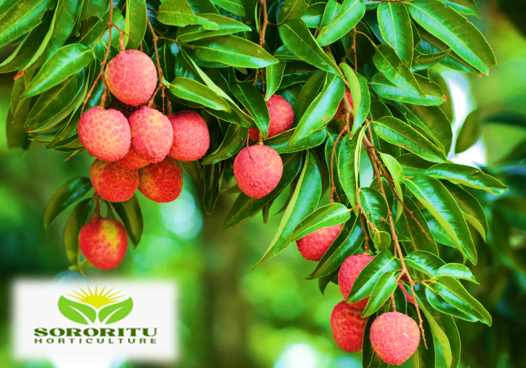
লিচু চাষ পদ্ধতি, পরিচর্যা ও বিস্তারিত!
জাত পরিচিতিঃ
লিচুর জাতের মধ্যে বেদানা, গুটি, মাদ্রাজি, বোম্বাই, মঙ্গলবাড়ী, মোজাফফরপুরী, চায়না-৩, কদমী সবচেয়ে ভাল। উন্নত জাতঃ বারি লিচু- ১, বারি লিচু- ২, বারি লিচু- ৩।
বারি-লিচু- ১: ফল ডিম্বাকার এবং রঙ লাল। দেশের উত্তারাঞ্চলে এ জাতটি চাষের জন্য বিশেষ উপযোগী।
বারি-লিচু-২: বীজ অপেক্ষাকৃত বড়। প্রতি বছর নিয়মিত ফল দেয়। জাতটি বাংলাদেশের সর্বত্রই চাষ করা যায়।
বারি-লিচু-৩: মাঝ মৌসুমী জাত, নিয়মিত ফল ধরে। গোলাপের সুঘ্রান বিশিষ্ট অপেক্ষাকৃত বড় আকারের ফল উৎপাদনকারী এ জাতটি বসতবাড়ীর বাগানের জন্য অত্যন্ত উপযোগী।
বারি-লিচু-৪: ফলের বীজ খুব ছোট ও ফল মাংসল। ফল খুব মিষ্টি, রসালো ও সুগন্ধযুক্ত। জাতটি বাংলাদেশের উত্তর পশ্চিমাঞ্চলে বাণিজ্যিকভাবে চাষের জন্য উপযোগী।
পুষ্টিগুনঃ
প্রতি ১০০ গ্রাম খাদ্যপযোগী লিচুতে জলীয় অংশ ৮৪. ১ভাগ, আমিষ ১.১ ভাগ, স্নেহ .২ গ্রাম, খনিজ .৫ গ্রাম, শর্করা ১৩.৬ গ্রাম, ক্যালসিয়াম ১০ মিঃগ্রাঃ, লৌহ ০.৭ মিঃগ্রাঃ, ভিটামিন বি-১০.০২ মিঃগ্রাঃ, ভিটামিন সি ৩১ মিঃগ্রাঃ ও খাদ্য শক্তি ৬১ কিলোক্যালরি।
চাষপদ্ধতি:
বপনের সময়ঃ মধ্য মাঘ-মধ্য চৈত্র ও মধ্য শ্রাবণ-মধ্য ভাদ্র। নিকাশযুক্ত উর্বর বেলে দোআঁশ মাটি লিচু চাষের জন্য উত্তম। তবে উঁচু ও মাঝারি উঁচু জমিতে লিচুর চাষ ভাল হয়।
রোপণ দূরত্ব ৮-১০ মিটার, গর্তের আকার ১ হাত × ১ হাত ×১ হাত গর্ত করার পর চারা রোপণের ১০-১৫ দিন পূর্বে গর্ত প্রতি ৫০০ গ্রাম টিএসটি, ৪০০ গ্রাম, পটাশ ও ৩০০ গ্রাম জিপসাম সার প্রতিটি ২৫০ গ্রাম করে গর্তের মাটির সাথে মিশিয়ে গর্ত বন্ধ করে রাখতে হবে।
জৈষ্ঠ্য-আষাঢ় এবং ভাদ্র-আশ্বিন মাস চারা রোপনের উপযুক্ত সময়। এসময় গর্তের মাটি উলট পালট করে করে নিতে হবে। চারা রোপণের পর খুটি দিয়ে বেঁধে দিতে হবে এবং হালকা পানি সেচ দিতে হবে।
সার ব্যবস্থাপনাঃ
গর্ত প্রতি সার কম্পোস্ট ২৫ কেজি, টিএসপি ৭০০ গ্রাম, পটাশ ৪৫০ গ্রাম, গর্ত ভর্তির ১০-১৫ দিন পর মাটির বলসহ গর্তের মাঝখানে সোজাভাবে লাগাতে হবে। রোপণের ৩ মাস পর ৩০০-৩৫০ গ্রাম ইউরিয়া সার প্রয়োগ করা দরকার।
পূর্ণ বয়স্ক ফলন- গাছের জন্য ইউরিয়া সার ২ কেজি, টিএসপি সার ৩.৫ কেজি, এমওপি সার ২ কেজি, জিপসাম সার ২৬০ গ্রাম, জিংক সালফেট সার ৬০ গ্রাম, গোবর ১৫ কেজি এবং ৯ কেজি ছাই প্রয়োগ করতে হয়।
পোকা মাকড় ব্যবস্থাপনাঃ
লিচুর ফল ছিদ্রকারী পোকা। এটি লিচুর একটি ক্ষতিকারক পোকা। এর আক্রমণে লিচুর বাজার মূল্য কমে যায়। ফল পরিপক্ক হওয়ার সময় এ পোকা ফলের বোঁটার নিকট দিয়ে ভিতরে ঢুকে বীজ খেতে থাকে। এরা ফলের শাঁস খায় না তবে বোঁটার কাছে বাদামী রংয়ের এক প্রকার করাতের গুড়ার মত পদার্থ উৎপন্ন করে।
এ পোকা দমনের জন্য ফল ধরার পর লিবাসিড ৫০ তরল বা ফেনিট্রোথিয়ন ৫০ তরল অথবা টোসিটকস আর ২৫ তরল এর যেকোন একটি প্রতি লিটার পানিতে ১ মি.লি হারে মিশিয়ে ১৫ দিন পর পর ২ থেকে ৩ বার স্প্রে করতে হবে।
তথ্য ও সূত্রঃ অনলাইন সংগ্রহ।
বিস্তারিত জানতে ভিজিট করুনঃ
Website Link: https://sororitu.com/
Facebook Link: https://www.facebook.com/sororitushop/?ref=embed_page
YouTube Link: https://www.youtube.com/@sororituhorticulture
Cultivation Methods, Care, and Details of Lychee Farming
Varieties Introduction:
Among the varieties of lychee, Bedana, Guti, Madrazi, Bombay, Mangalbari, Muzaffarpuri, China-3, and Kadmi are considered the best. The improved varieties are BARI Lychee-1, BARI Lychee-2, and BARI Lychee-3.
BARI Lychee-1: The fruit is oval and red in color. This variety is particularly suitable for cultivation in the northern regions of the country.
BARI Lychee-2: The seeds are relatively large. It bears fruit regularly every year. This variety can be cultivated throughout Bangladesh.
BARI Lychee-3: A mid-season variety that produces fruit regularly. This variety, which produces relatively larger fruits with the fragrance of roses, is extremely suitable for home gardens.
BARI Lychee-4: The seeds of the fruit are very small and the fruit is fleshy. The fruit is very sweet, juicy, and aromatic. This variety is suitable for commercial cultivation in the northwestern regions of Bangladesh.
Nutritional value:
Per 100 grams of edible lychee: Water content 84.1%, protein 1.1%, fat 0.2 grams, minerals 0.5 grams, carbohydrates 13.6 grams, calcium 10 mg, iron 0.7 mg, vitamin B1 0.02 mg, vitamin C 31 mg, and food energy 61 kilocalories.
Cultivation Method:
Sowing Time: Mid-Magh to Mid-Chaitra and Mid-Shravan to Mid-Bhadra. Fertile sandy loam soil with good drainage is ideal for lychee cultivation. However, lychee grows well on high and medium-high lands.
Planting Distance: 8-10 meters. The size of the pit should be 1 hand × 1 hand × 1 hand. About 10-15 days before planting the seedlings, mix 500 grams of TSP, 400 grams of potash, 300 grams of gypsum, and 250 grams of each type of fertilizer with the soil in the pit, and then close the pit.
Suitable Planting Time: Jaistha-Ashar and Bhadra-Ashwin months are suitable for planting seedlings. During this time, turn over the soil in the pit. After planting the seedlings, they should be tied to a stake and given a light watering.
Fertilizer Management:
For each pit, apply 25 kg of compost, 700 grams of TSP, and 450 grams of potash. After 10-15 days of filling the pit, plant the seedlings upright with the soil ball in the center of the pit. After 3 months of planting, apply 300-350 grams of urea fertilizer.
For mature fruit-bearing trees, apply 2 kg of urea, 3.5 kg of TSP, 2 kg of MOP, 260 grams of gypsum, 60 grams of zinc sulfate, 15 kg of cow dung, and 9 kg of ash.
Pest Management:
The lychee fruit borer is a harmful insect to lychee. Its attack decreases the market value of lychee. During fruit ripening, this insect enters through the stalk of the fruit and feeds on the seed. Although it does not consume the pulp, it produces a brown sawdust-like substance near the stalk.
To control this pest, after the fruits start to develop, mix any one of the following: Lebacid 50 EC, Fenitrothion 50 EC, or Tosithion 25 EC at a rate of 1 ml per liter of water. Spray this mixture 2 to 3 times at 15-day intervals.
Source and information: Online Collection.
For more information visit:
Website Link: https://sororitu.com/
Facebook Link: https://www.facebook.com/sororitushop/?ref=embed_page
YouTube Link: https://www.youtube.com/@sororituhorticulture
